Diocese of Hereford Multi-Academy Trust
Our Family of Academies

Our Family of Academies
St. George'sCE Academy

EYFS
“All children deserve the care and support they need to have the best start in life. Children learn and develop at a faster rate from birth to five years old than at any other time in their lives, so experiences in early years have a major impact on their future life chances. A secure, safe and happy childhood is important in its own right. Good parenting and high-quality early learning provide the foundation children need to fulfil their potential.”
EYFS Statutory Framework 2026
Welcome to our Nursery, Reception EYFS class. Mrs Lampitt is the class teacher, supported by Mrs Adams and Mrs Roberts who are experienced Early Years Foundation Stage staff.
Our EYFS Vision
Our EYFS Vision
At St George’s, we believe young children learn best when they are happy and actively engaged. Through nurturing, engaging and challenging, we want children to develop a positive, confident attitude to learning. We are committed to providing a wealth of experiences which enable children to develop enquiring minds and to become independent, resilient learners within a safe, enabling and stimulating environment. We strongly believe in the importance of play so provide opportunities for the children to investigate, actively learn, explore their own ideas, make connections, develop strategies, become involved, concentrate, persevere and enjoy their achievements.
Our Aims
Our Aims
At St George’s, we aim to ensure:
- the best for every child, inspiring all children to thrive.
- we provide high-quality education, with a strong focus on the prime areas of learning (Personal Social and Emotional Development, Communication and Language and Physical Development).
- children demonstrate a positive attitude to learning through high levels of curiosity, concentration, involvement and enjoyment.
- children feel happy, confident, safe and secure. They make positive contributions, enjoy and achieve.
- we inspire to support and promote children’s holistic growth and development.
- children are central to the direction, pace and content of their learning.
- children develop as active, enthusiastic, capable learners, through exploration, play and by interacting with others and the environment.
- children have access to the full range of learning opportunities.
- we provide a stimulating and safe, enabling environment for learning, where children can engage in first-hand experiences.
- to support and extend children’s learning through purposeful observation, interaction, reflection and evaluation.
- we value and promote an effective parental partnership .
- all relationships, either between children, parents or practitioners, are positive and based on trust and respect.
- practitioners reflect on their practice, continuing to develop knowledge and an evolving understanding of pedagogy.
Our Principles
At St George’s, the EYFS education is based on the four guiding principles:
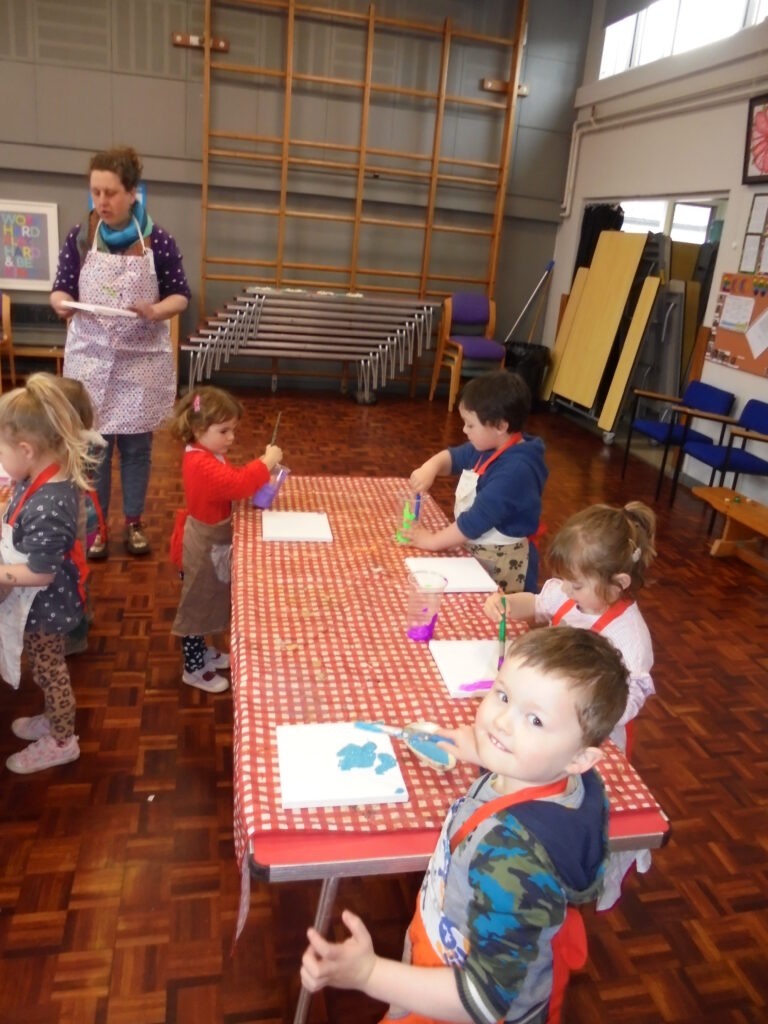
Unique Child Every child is a unique child, who is constantly learning and can be resilient, capable, confident and self-assured. All children within the early years learn through play, exploring their surroundings and developing their characteristics for learning, with the support from attentive and experienced staff.
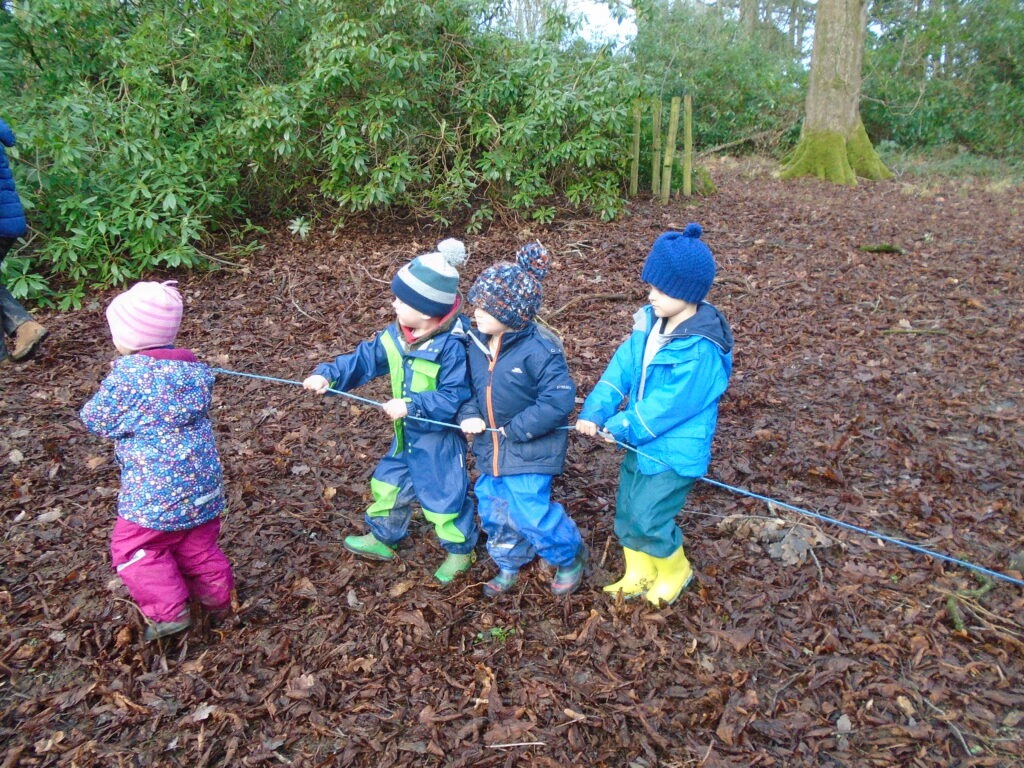
Positive Relationships Children learn to be strong and independent through positive relationships. We believe it is vitally important to develop a partnership between all the adults involved with each child. By working together, we can provide knowledge of the whole child to assist their future learning and needs. Positive relationships are key to every child’s education.
Enabling Environment Children learn and develop well in enabling environments with teaching and support from adults, who respond to their individual interests and needs and help them to build their learning over time. We provide a stimulating, enabling environment both indoors and out. The environment is multi-sensory, where children can experiment and explore through first hand experiences. The environment also promotes children’s independence, self-belief and confidence.
Learning and Development Children develop and learn at different rates. We appreciate learning and development varies according to the individual child. Practitioners plan activities and experiences that enable all children to develop and learn effectively. They take into account individual needs, interests and stages of development and use this to plan challenging and enjoyable experiences.
Positive relationships
Key Person-In the Nursery, each child is assigned a key person. This approach is aimed at enabling and supporting close attachments between children and practitioners. The key person helps the child to feel known, understood, cared about and safe. Attachment provides a sense of security so that children can become confident, independent and capable young learners. The key person provides consistency, building a secure relationship for the child and supporting parents/carers in guiding their child’s development. In Reception, the class teacher takes on this role.
Parental Partnership
We recognise that a strong and respectful partnership with parents/carers greatly contributes to a child’s wellbeing and attainment. Parents/carers are children’s first and most enduring educators. We appreciate the role that they play and understand that their support has a significant impact on learning. Communicating effectively is essential.
Current ways of promoting this valued partnership include:
- Nursery stay and play induction session and welcome booklet
- Regular opportunities to listen to parents and discuss their child’s progress before or after school sessions
- Parent information display board
- Reception induction meeting and welcome booklet
- Information about the Reception Baseline assessment, EYFS curriculum, Early Learning Goals, Reception Profile etc
- Activities/resources to support home learning
- Parents evenings
- End of Reception written report
- The school website which contains our EYFS ethos, theme plans, curriculum news, information about Forest School etc
- Parent workshops, for example Little Wandle Phonics and Mastering Number
- The Learning Journey. For every child, a Learning Journey is compiled to reflect their time throughout EYFS. This records achievements/interests and also includes child comments, observations, reflections and valued contributions from parents.
- Parent questionnaires
Intent - Our curriculum, what we want children to learn
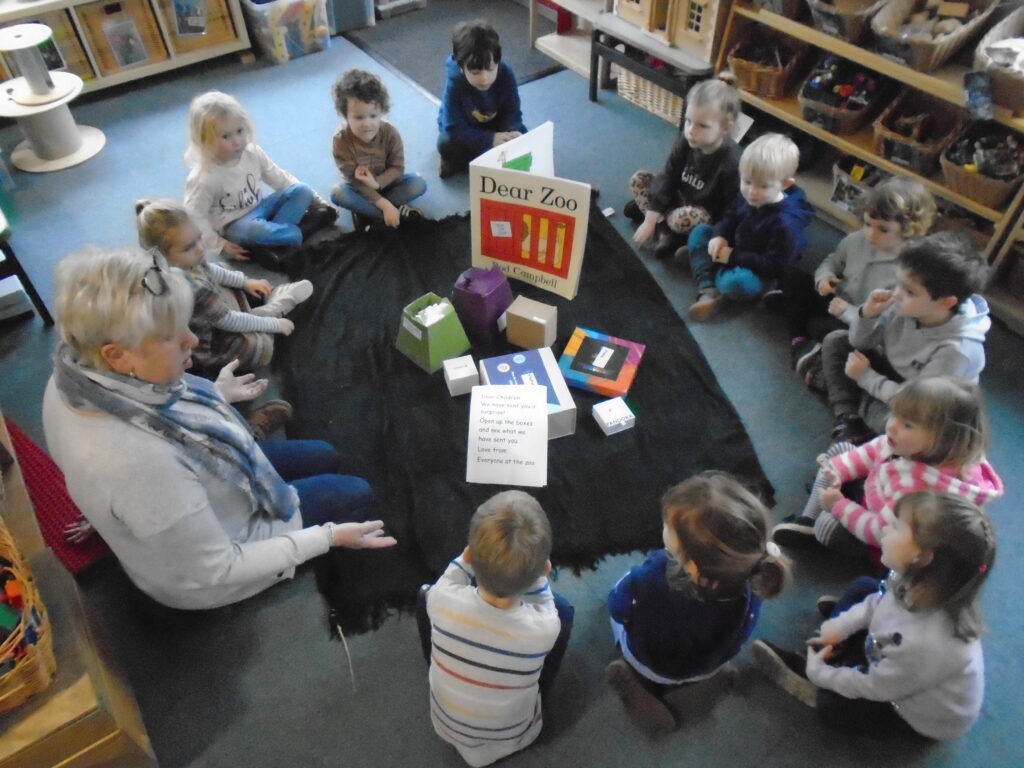
Our EYFS curriculum is based on the Statutory Framework for the Early Years Foundation Stage 2026. To support the implementation of the framework, we also use the non-statutory guidance Development Matters in the Early Years Foundation Stage 2023 and Birth to 5 Matters, 2026.
At St George’s, our curriculum is based on first hand, engaging, “must have” experiences. It is ambitious, challenging and provides a depth in learning. As children move through EYFS, there is a continued focus on the teaching and progression of essential foundational skills and knowledge. Our curriculum starts with the familiar and carefully sequences key, intentional sticky knowledge, skills and vocabulary. It connects what the children already know and builds on learning over time.
The curriculum is based on the seven areas of learning and development and the educational programmes as stated in the EYFS framework.
All areas of learning are equally important and interconnected. However, the three prime areas are particularly crucial for igniting children’s curiosity and enthusiasm for learning and for building children’s capacity to learn, form relationships and thrive. Our curriculum ensures a strong foundation for children’s development in the prime areas:
- Personal, Social and Emotional Development
- Communication and Language
- Physical Development
The specific areas of learning provide children with a broad curriculum and opportunities to strength and apply the prime areas of learning. As children grow and move into the Reception year, there is a greater focus on teaching the essential skills and foundational knowledge in the specific areas of learning.
The four specific areas are:
- Literacy
- Mathematics
- Understanding the World
- Expressive Arts and Design
In addition to these areas of learning, we strive to develop the three characteristics of effective teaching and learning.
- Playing and exploring-children investigate and experience things and have a go
- Active learning-children concentrate and keep on trying if they encounter difficulties and enjoy achievements
- Creating and thinking critically-children have and develop their own ideas, make links between ideas and develop strategies for doing things
Practitioners promote the characteristics of effective teaching and learning by:
- challenging children’s thinking through effective questioning
- encouraging involvement and persistence
- allowing children time to become deeply involved in activities and their learning
- fostering interest, enjoyment, curiosity and a motivation to learn
- encouraging the children to express their thoughts and ideas
- developing confidence, praising success and encouraging effort
- observing and interacting at the right moment, to support and extend the learning
Play and Active learning
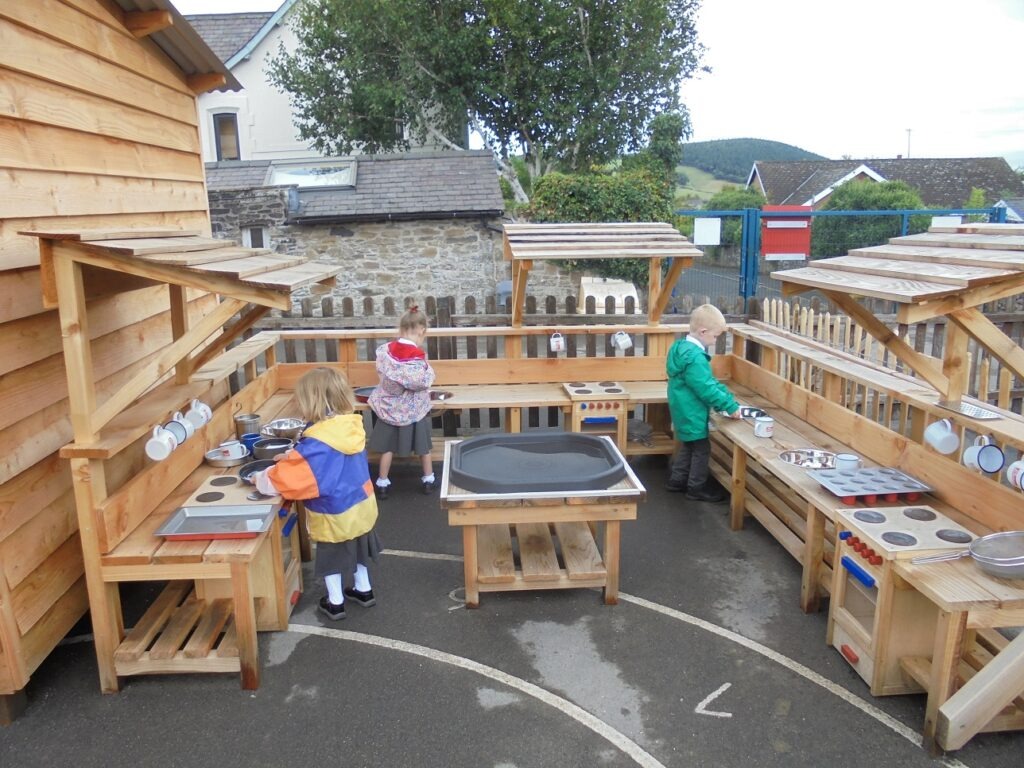
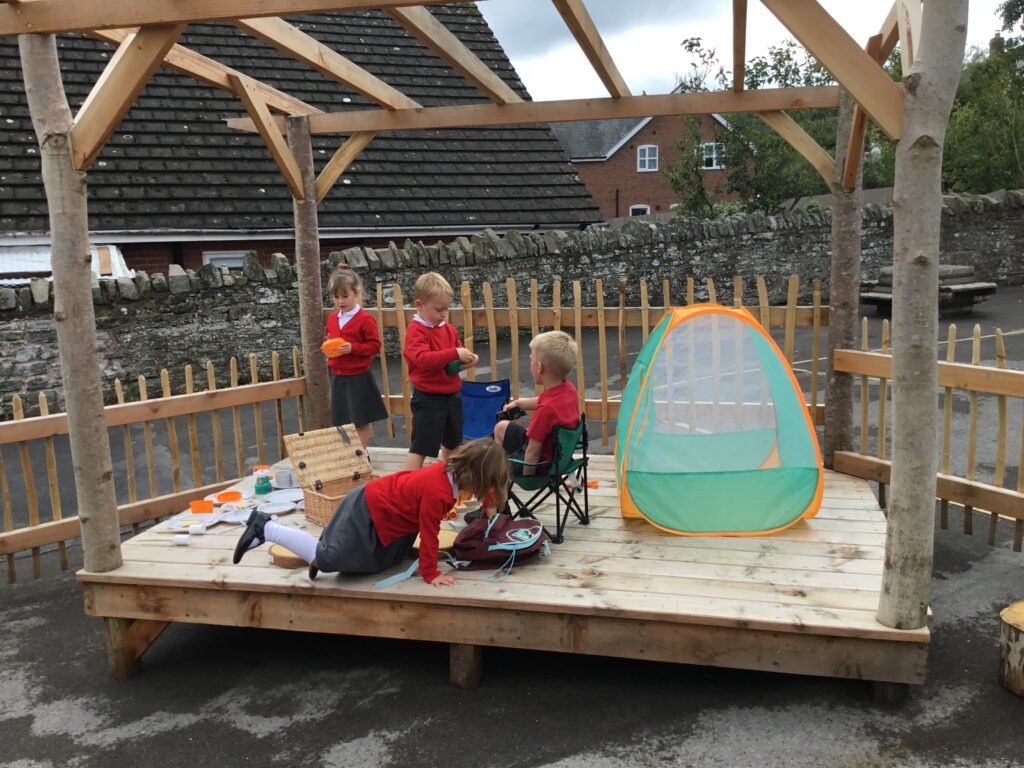
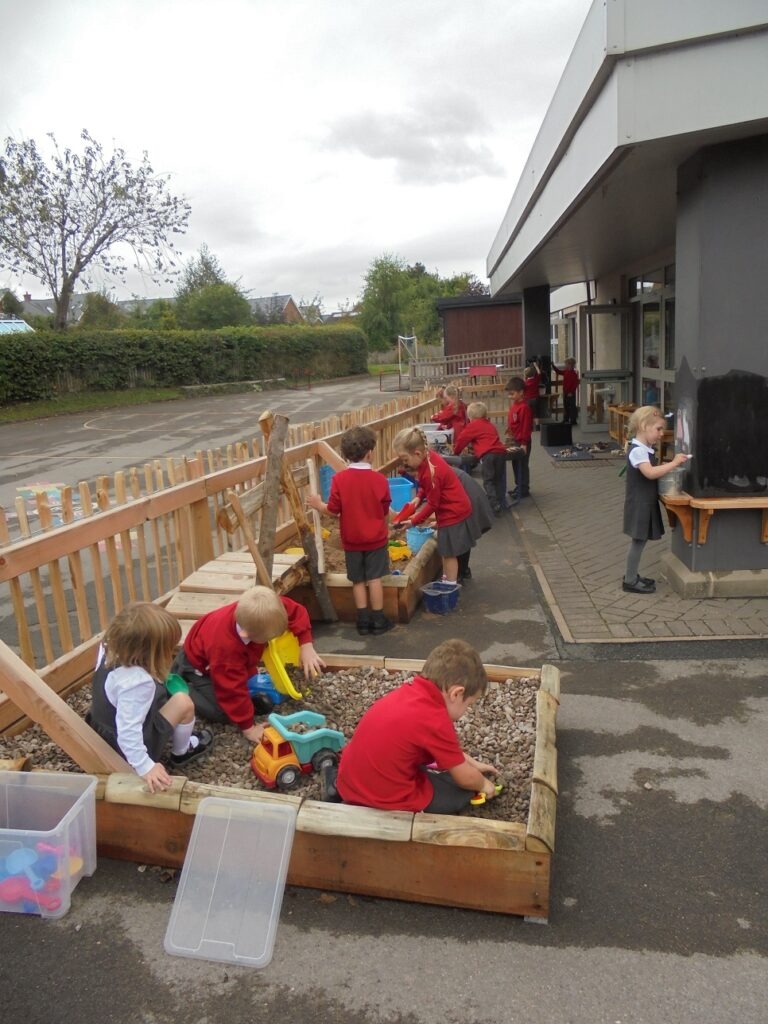
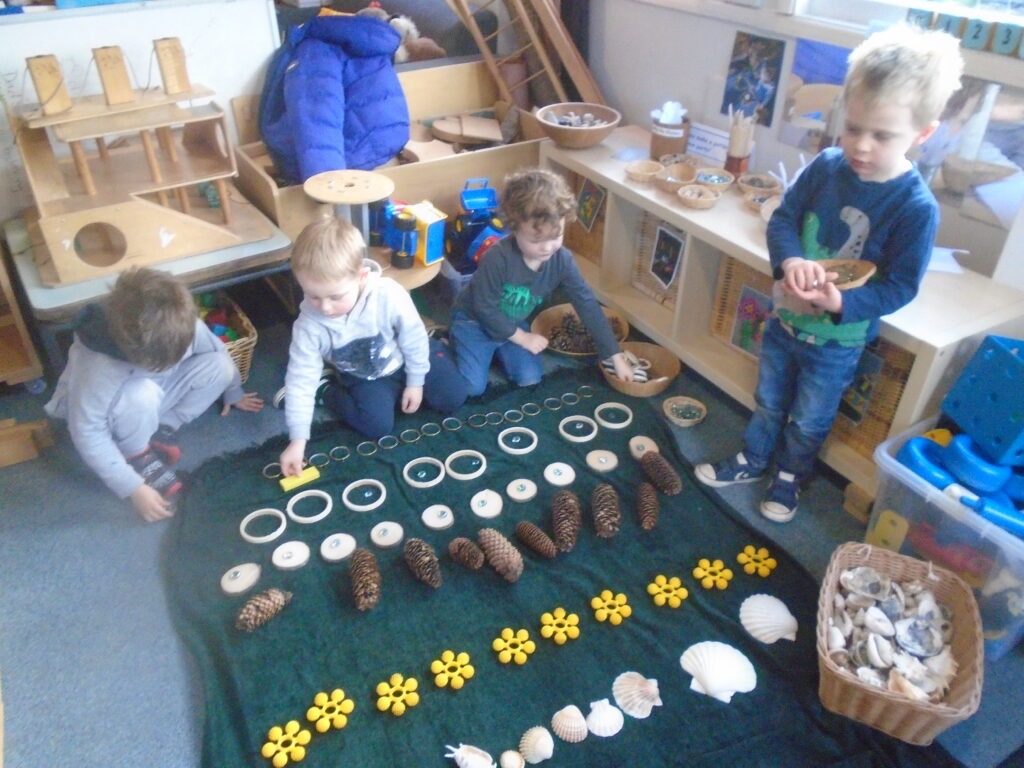
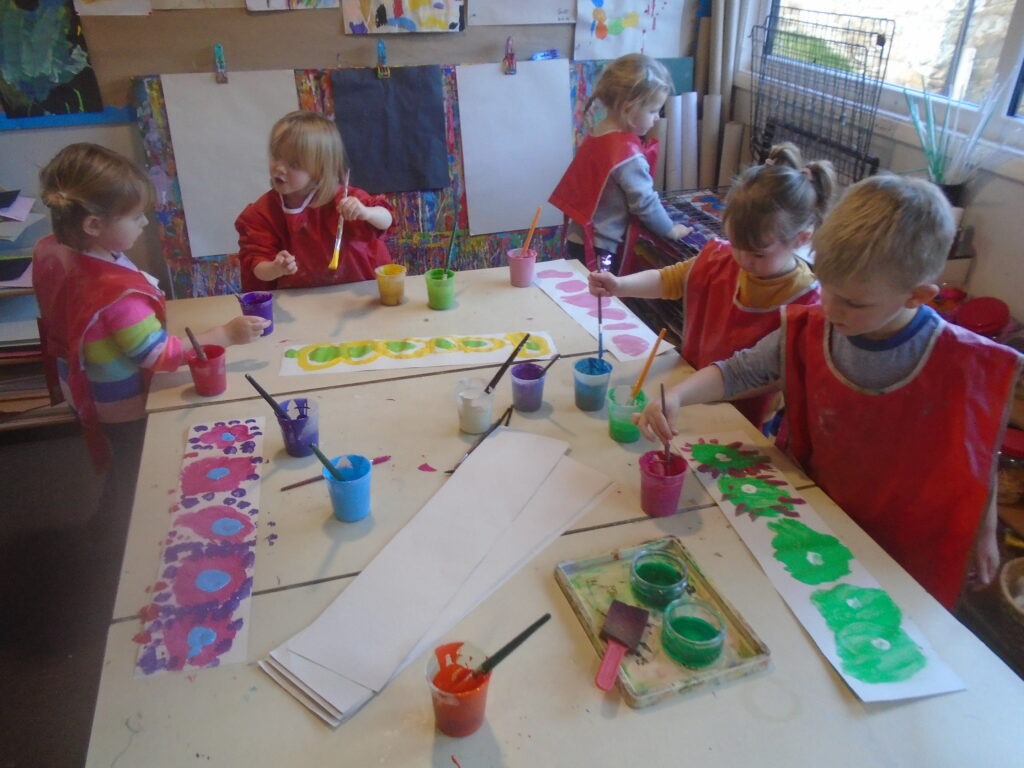
Play is an essential part of our early years curriculum. Active, deep and highly involved learning occurs when children are motivated, interested and engaged. During play, they practise, apply and extend ideas, skills, new knowledge, think creatively in collaboration with other children or independently, investigate, take risks and solve problems. Children have the opportunity to explore, develop and act out experiences, indoor, outdoor and at Forest school, helping them make sense of the world. It is vital that children have some independence and control over their learning. This encourages confidence as they learn to make decisions and provides children with a sense of satisfaction as they take ownership of their learning. Therefore, our curriculum includes child led play, play that is supported and extended by adults and play which is guided towards specific outcomes.
Implementation - Teaching and learning
Each area of learning and development is implemented through a focus upon enquiry, planned, purposeful play and a mix of adult led and child initiated activities. There is a balance between deliberate, explicit teaching, child led and spontaneous learning. Practitioners are responsive to each child’s emerging needs and interests, guiding their learning and development through positive and focused interactions.
- Spontaneous teaching-In the EYFS setting, every moment is an opportunity for teaching and learning. We believe incidental teaching moments are often where powerful learning happens.
- Effective Interactions-High quality, caring interactions during planned and child initiated activities include communicating and modelling language, explaining, suggesting, encouraging, questioning, reminding, providing a narrative for what the children are doing, facilitating and setting challenges. Planned and incidental interactions provide opportunities for practitioners to assess what the children know, reinforce key knowledge, skills, vocabulary and extend the learning by modelling, scaffolding and then empowering children to work independently.
- Continuous provision-This reflects all EYFS areas of learning so that children are given opportunities to develop and practise their skills, knowledge and understanding. We recognise the learning environment plays a key role in supporting and extending the children’s development, either indoor, outdoor or at Forest School. Our enabling environment offers children security, comfort, engagement and opportunity. It promotes children’s independence and allows children to explore and learn securely and safely.
- Adult input-This is usually a short session where practitioners introduce key concepts, skills and vocabulary and then children have opportunities to apply or extend the learning.
- Focused activity-Practitioners will engage with a small group, reinforcing and extending key concepts, skills and vocabulary through practical activities.
- Adult directed-An activity that has been set up in preparation to support the key concepts, skills and vocabulary. Children are directed there to work independently or in a small group.
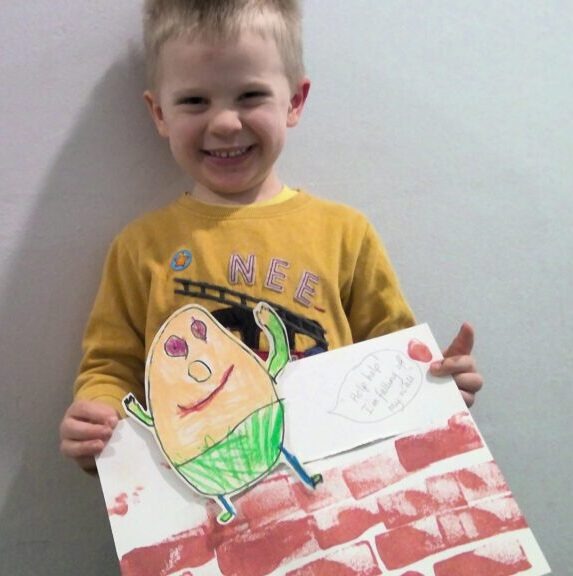
- Child initiated activities, a Plan/Do/Review approach-Opportunities for the children to plan their own learning activities, follow their own interests, incorporate ideas and concepts from current/previous learning and access resources independently from the enabling environment. This play allows the children to reflect on their own learning, put ideas into practice in their own way and clarify their own understanding. Practitioners will purposefully listen, observe, interact and support.
Impact - Assessment and observation
Assessment plays an important part in helping parents/carers and practitioners recognise children’s progress, understand their needs and to plan activities and support. Formative assessment is an integral part of the learning and development process. Children’s development and learning is best supported starting from the child, understanding their interests, what they know and can do and then providing interactions and teaching/learning experiences to meet the child’s needs. At St George’s, assessment for learning follows the observation, assessment and planning cycle. A range of evidence is gathered, including contributions from the children, parents/carers and practitioners. Sources of evidence may be recorded but assessment does not take practitioners away from interaction with children for long periods of time. Practitioners use their own expert, professional judgements, drawing on their knowledge of the child. Assessments are shared with parents/carers to enable them to understand their child’s progress and so they can support next steps for learning at home.
An initial baseline assessment, which prioritises the prime areas, is completed within the first few weeks of children starting Nursery. The statutory Reception Baseline Assessment is taken in the first six weeks in which a child starts Reception.
At St George’s, observation and quality interactions are integral parts of the learning and development process. As part of our daily practice, practitioners:
- observe and interact with children during independent and adult led learning.
- assess what children already know and can do, focusing particularly on the prime areas and key skills/knowledge/vocabulary.
- note any gaps in learning and respond accordingly.
- quickly address any misconceptions.
- note if any child may need early, additional support or extra explicit teaching and practise.
- note the level of achievement, engagement, involvement, interest and challenge.
This evidence may be held in the mind of the practitioner but may sometimes be documented. It is then used to assess how a child is developing, how they are learning, note progress, to inform the planning/teaching for next steps and also identify if any child may need additional support. If practitioners are concerned about a child’s progress in any prime area, they will address this learning and development need in partnership with parents/carers and any relevant professionals who may offer specialist support.
Reliable summative assessment grows out of formative assessment. Using professional judgements and any documented on-going evidence, termly assessments are recorded on a tracking system. This is used to identify attainment, monitor progress and identify any areas for targeted support and development.
The Early Years Foundation Stage Profile, which is based on the areas of learning and development, is completed in the final term of the Reception year. Practitioners use a range of evidence to assess development against the Early Learning Goals, indicating if children are meeting expected levels, or not yet reaching expected levels (emerging). This profile reflects practitioners knowledge of the child and professional judgements, observations, assessments and discussions with the child, parents/carers. It is then shared with parents and is also used to support the transition into Year One. Parents also receive a written report that includes information about progress against the Early Learning Goals.
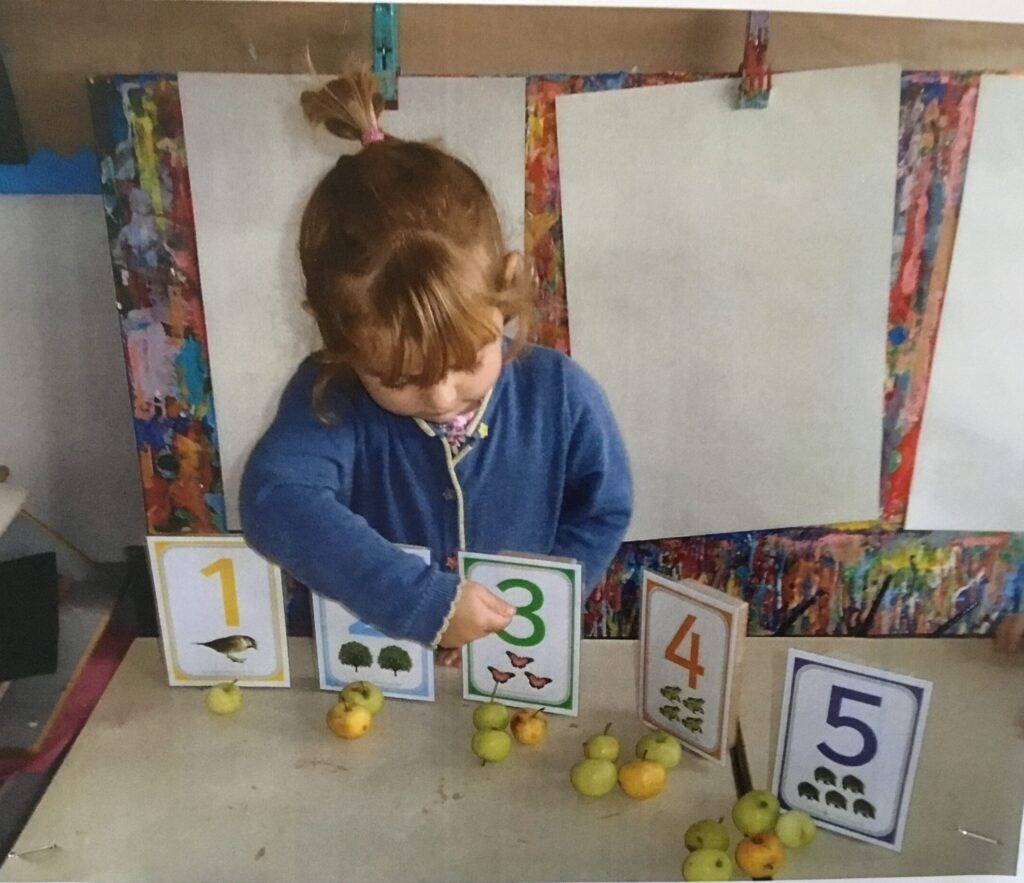
For more information about what is happening this term, please visit the Curriculum and termly overviews page.
St. George'sCE Academy
Contact Us
St. George's CE Academy, School Road, Clun, Craven Arms, Shropshire, SY7 8JQ